


US$930 Million Dispute: Maersk-MSC Joint Venture Terminal Faces Key Brazilian Competition Ruling
Source:
2026-10-19
The international shipping industry is closely watching a long-running dispute over container handling fees at Brazilian ports.
With a series of key competition rulings approaching, the industry faces exposure to more than US$930 million (5 billion reais) in interests. Brazil’s Federal Public Prosecution Office (MPF) has challenged the legality of fees charged by container terminals to independent warehousing operators, and if a ruling changes the current rules, Brazil’s port logistics market could undergo a major adjustment.
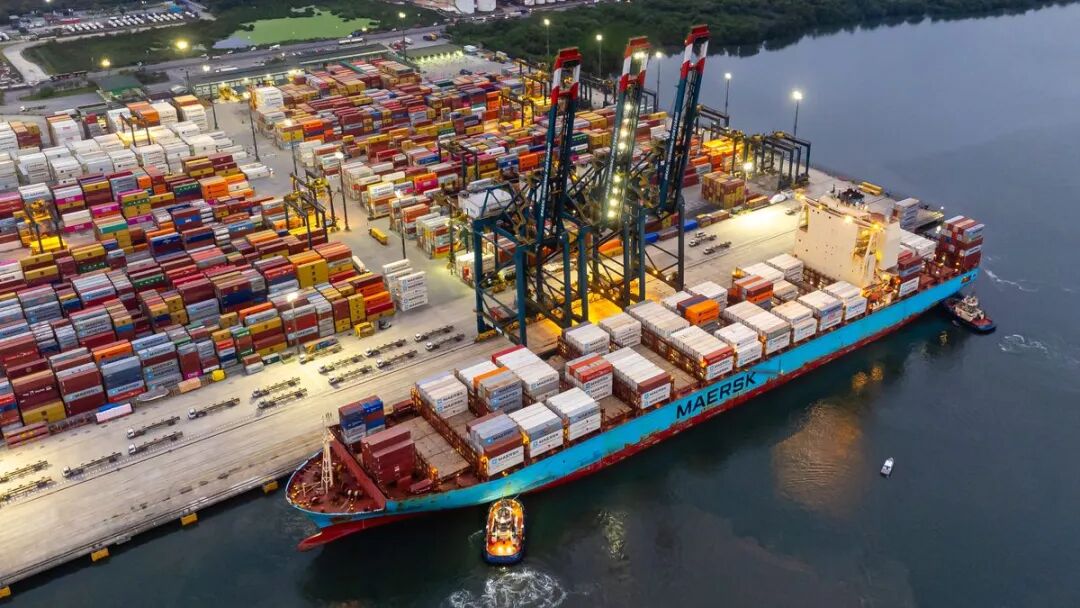
At the heart of the dispute is a long-standing disagreement between Brasil Terminal Portuário (BTP), a container terminal in Santos, and Marimex, an independent bonded warehouse operator. BTP is jointly owned by Mediterranean Shipping Company (MSC) and Maersk. The fee at issue is called the “Segregation and Delivery Service” (SSE), also known as THC2, and applies when containers unloaded at the port are transferred to independent warehousing facilities rather than remaining at the terminal.
Independent operators argue that the fee unfairly drives up their costs because terminal companies both control the initial release of containers and compete with them in the warehousing market. The MPF supports this view, arguing that the fee may itself constitute anti-competitive conduct.
However, Brazil’s competition regulator Cade has recommended dismissing the case against BTP on the grounds that the fee can be regarded as payment for a legitimate ancillary service. At the same time, Brazil’s maritime regulator Antaq has authorized the fee under its own regulations, while a previous Cade ruling questioned its legality, further complicating the dispute.
Cade’s tribunal plans to review four related cases before the end of the year, potentially establishing clearer nationwide rules for terminals.
All parties are currently awaiting further rulings from Cade. The outcome of the case will not only determine the direction of the BTP-Marimex dispute, but may also have broad implications for the competitive landscape of container handling and the independent warehousing market at Brazilian ports.
Hot News