


Hunger Strike Erupts in Chittagong to Oppose Terminal Privatisation
Source:
2026-07-20
The Chittagong Port Protection Committee staged a five-hour symbolic hunger strike at the Chittagong Press Club on the 18th, demanding that the Government of Bangladesh immediately halt lease negotiations concerning the New Mooring Container Terminal and the Chittagong Container Terminal. The protest, which lasted from 11 a.m. to 4 p.m., drew dozens of participants including port workers, union representatives, politicians, and members of civil society organisations.
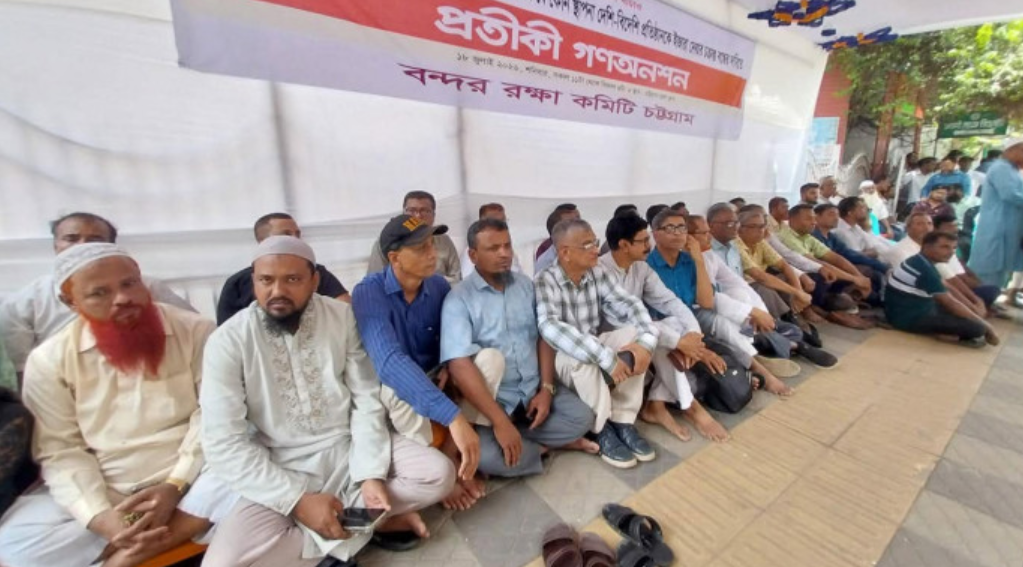
Convenor of the Chittagong Port Protection Committee, Delwar Majumdar, stressed that the Port of Chittagong is a core national asset that must remain under public ownership. "The government, as the elected representative of the people, should stand by the people. Our action is to ensure that national assets are not privatised and that the country's long-term interests are safeguarded," he stated. He accused multinational corporations of having long coveted Bangladesh's strategic infrastructure and alleged that past public movements had exposed attempts by "bogus" foreign operators to seize control of port operations.
Mr. Majumdar warned that were the two terminals to be handed over to foreign operators, the vast majority of the port's revenue would flow overseas, leaving Bangladesh with only a tiny share. He further noted that critical military, civilian, and energy infrastructure is located within the port area, and that foreign involvement would pose a direct threat to national security.
Kazi Sheikh Nurullah Bahar, General Secretary of the Chittagong branch of the nationalist workers' party, criticised the port authority for exaggerating issues of equipment obsolescence in order to justify bringing in a foreign operator. "Chittagong is the country's principal seaport. If it falls into foreign hands, the nation's economy and security will face grave risks," he said. He called on the government to reassess the lease proposal with caution.
Tapan Dutta, President of the Trades Union Centre Chittagong region, stated that workers, students, intellectuals, and citizens across the country have formed a broad united front to oppose the lease plan. "Any individual or entity that signs such an agreement will be seen as serving foreign commercial interests."
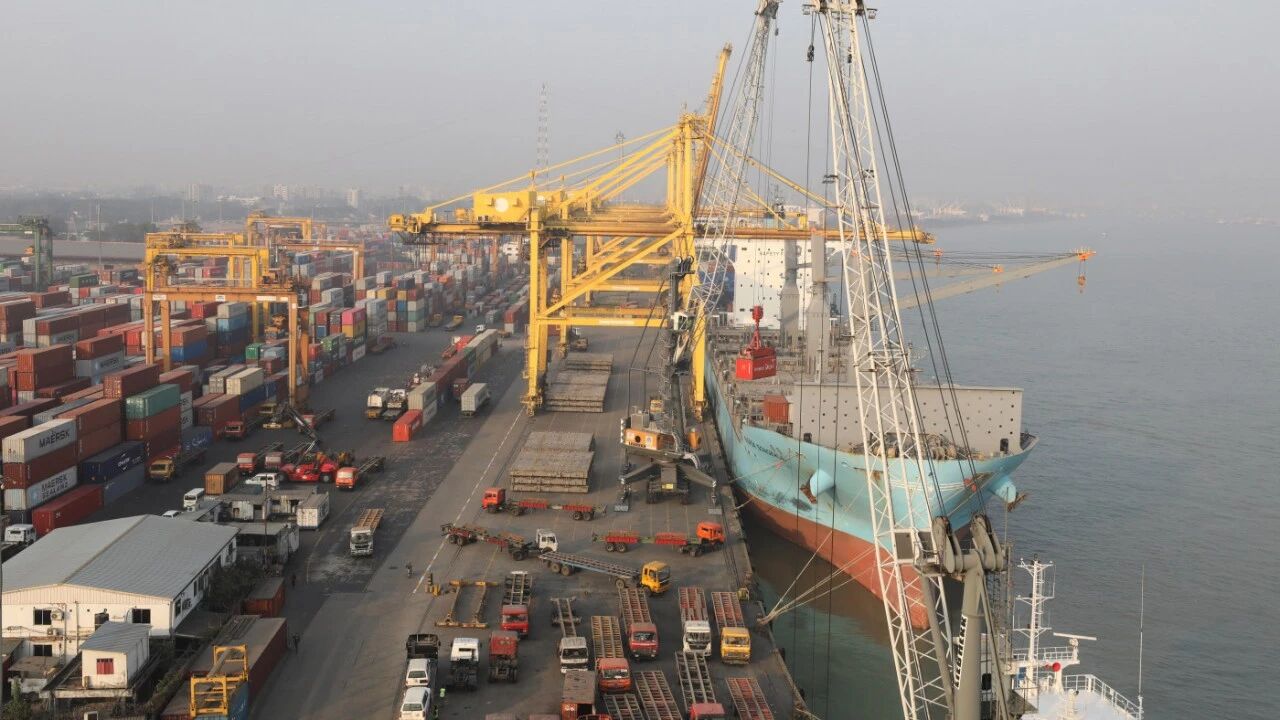
The NCT is currently the largest of the four operational container terminals at the Port of Chittagong, handling approximately 44% of the port's total container throughput in 2025. Since July 7, 2024, the terminal has been operated by the state-owned Chittagong Dry Dock Limited, an entity under the Bangladesh Navy. According to port officials, operational efficiency at the NCT has shown a steady improvement under naval management.
During the previous Awami League government, the authorities had attempted, unsuccessfully, to hand over the operation of the NCT to DP World through public-private partnerships and intergovernmental agreements. Early this year, the interim government restarted related negotiations, triggering strong opposition from workers, and on February 8 announced a suspension of the process of engaging a foreign operator.
However, on June 4, the government again directed the Chittagong Port Authority to continue discussions with DP World on a leasing arrangement. Last week, the Port Authority even formed a twelve-member support team to facilitate the negotiation process, further inflaming public sentiment. To date, the committee has organised human chains, rallies, press conferences, roundtable discussions, and the submission of a memorandum to the Prime Minister, among other forms of protest. Today's hunger strike is regarded as the most symbolic action yet taken. Organisers have indicated that if the government does not unequivocally terminate the lease plan, they will not rule out escalating the scale of protests further.
Hot News