


Germany approves €400 million national shipping decarbonization plan
Source:
2026-10-19
The German Federal Cabinet recently approved the Climate-Friendly Shipping National Action Plan, endorsing a state-backed shipping decarbonization program with a total volume of €400 million (about $448.8 million). The plan sets out 47 measures aimed at accelerating the green transition of the ocean-going and inland waterway fleets. Funding comes from Germany’s Climate and Transition Fund and will support new funding programs over the coming years.
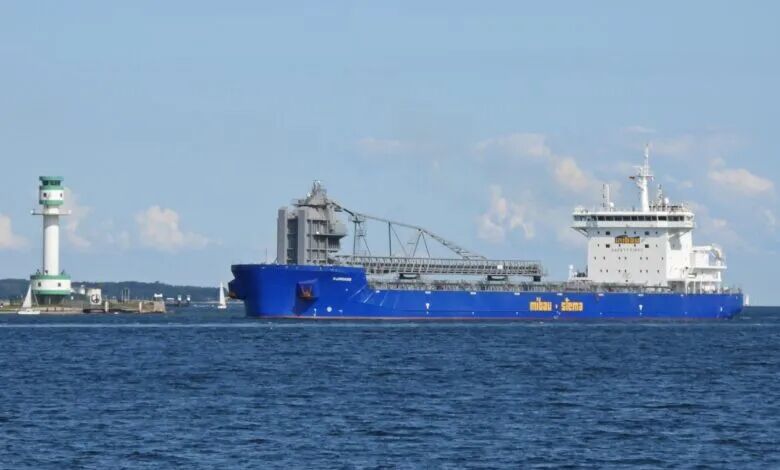
Under the plan, Germany will promote greener shipping corridors, alternative fuel infrastructure, and financial incentives for fleet renewal. Measures under consideration also include environmental discounts for ships passing through the Kiel Canal and more favorable financing conditions for eco-friendly ships through leasing arrangements. The Kiel Canal-related proposal remains subject to review, and the government hopes to create a budget-neutral arrangement. Other priorities include accelerating the supply of low-carbon marine fuels, developing alternative propulsion systems, advancing the modernization of existing ships, and expanding green shipping corridors.
The plan adopts a technology-neutral approach and does not favor specific alternative fuels. Berlin believes that competition among emerging technologies should determine which solutions can achieve broad commercial application. German Transport Minister Bürger said the plan will help the shipping industry complete its transformation while positioning Germany as a leading hub for clean shipping technology development. The government also plans to push for internationally consistent regulations at the International Maritime Organization in response to concerns about competitive distortions caused by shipowners operating under different environmental requirements. Reducing administrative barriers is also a priority, and the government wants to accelerate the commercial deployment of technologies already validated in pilot projects.
The plan is part of Germany’s broader 2026 climate protection strategy and was developed in consultation with shipping companies, industry associations, researchers, and regional governments. Implementation will begin this autumn, with more measures planned for discussion at the government maritime conference on November 5. The plan represents a major new financial commitment, but the government has not yet determined detailed funding allocations and implementation deadlines for each measure.
Hot News