


Major European ports are set for another wave of strikes!
Source:
2026-09-04
Labor disputes are set to disrupt operations at several of Northern Europe's largest ports. Dockworkers at major German ports are in the midst of a rolling strike that will continue until this Friday (September 4), and just as that action comes to an end, strikes in the Netherlands will begin.
Only two weeks after the previous walkout, the German service sector union Verdi launched a new round of warning strikes starting with the night shift on September 2, expected to last 48 hours until the end of the night shift on September 4, 2026. By then, approximately 11,000 dockworkers at key North Sea ports including Hamburg, Bremen, Bremerhaven, Emden, Brake, and Wilhelmshaven will have taken part in the action.
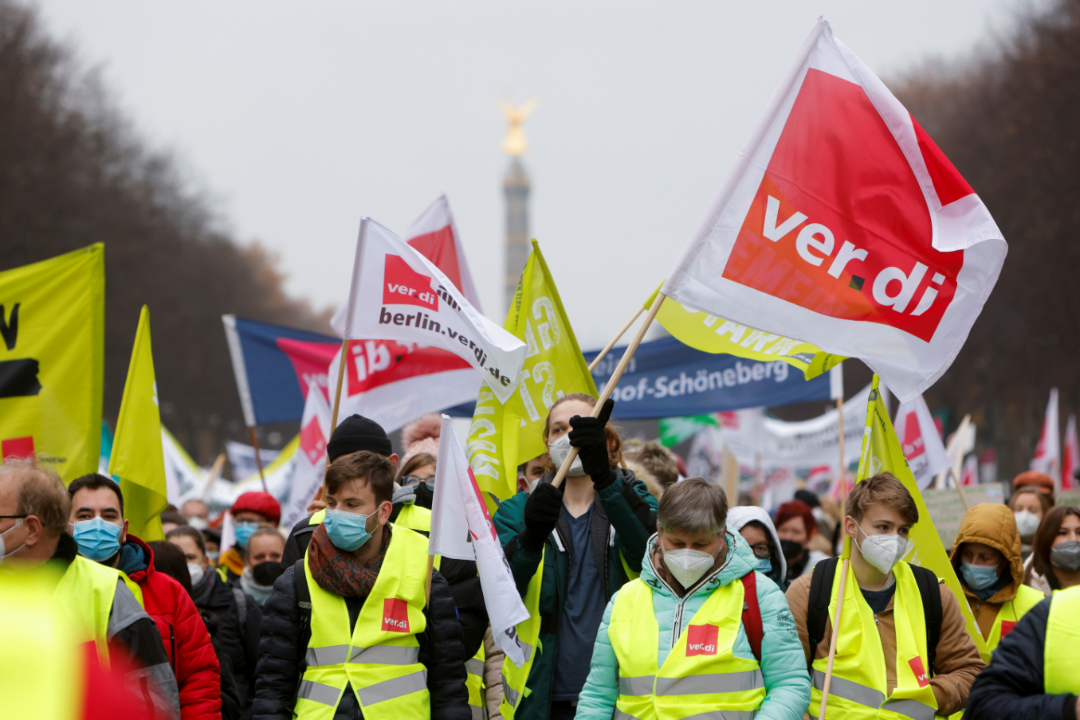
In addition, on Friday, Verdi will organize a large member demonstration at the Port of Hamburg. The core point of contention lies in the collective labor agreement covering workers at these ports, with the union locked in a tug-of-war with employers over pay raises and other issues.
Union members have rejected the employers' proposed 5.1% wage increase and are awaiting the employer side to agree to a new round of negotiations.
Following the end of the German warning strikes, ports across the Netherlands will also come to a complete standstill on September 4, including Europe's busiest port, Rotterdam. Dutch unions have called for strike action to protest social security reforms.
Earlier this year, the Dutch government unveiled plans for substantial cuts to social security, involving unemployment and disability benefits, as well as a proposed increase in the state pension age. Although the plan to raise the pension age has been shelved, the government continues to push ahead with reforms to the Unemployment Insurance Act and the Work and Income (Capacity for Work) Act.
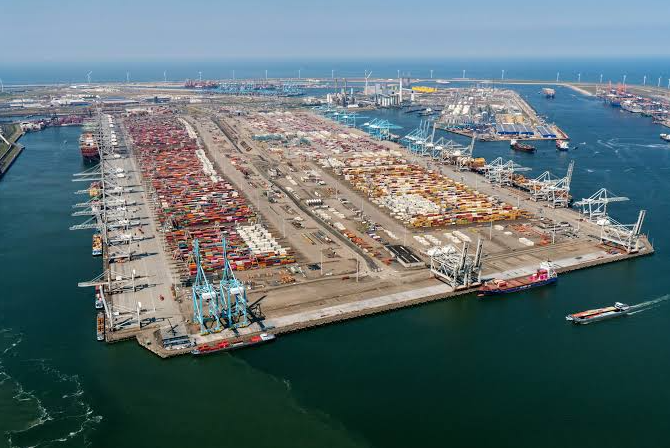
These reform plans have triggered an unprecedented wave of opposition. Unions say the €6.5 billion (approximately RMB 50 billion) in social security cuts will affect thousands of workers and their families. Since the reforms were announced, unions have organized demonstrations, actions, and strikes, with the largest such demonstration held in Rotterdam this June.
Faced with the government's uncompromising stance, two major Dutch unions — FNV Havens and CNV — have called for strikes at ports nationwide, including Rotterdam, Amsterdam, and Zeeland. On September 4, workers at various ports will walk off the job, an action expected to cause a complete paralysis of port operations.
Port and terminal operators have issued warnings that the strikes could severely disrupt normal operations.
The Port of Amsterdam said in a statement: "Svitzer towage services has indicated that its employees will respond to the union's call and take part in the strike on that day. This means that available tugboat capacity will be reduced, which could lead to delays in vessel operations and subsequently affect terminal operations."
The strike will further compound the difficulties Dutch ports have faced in recent months. The Port of Rotterdam has been dealing with increasing uncertainties, with the Middle East crisis continuing to impact cargo throughput. In the first half of this year, the port saw flat throughput growth, with total throughput of 212 million tons, compared with 211 million tons in the same period last year.
In addition to paralyzing port operations, the unions also plan to disrupt rail transport through nationwide strikes. According to the Dutch Trade Union Confederation (FNV), the relevant strikes are scheduled for next Wednesday (September 9).
Meanwhile, industry concerns over port congestion and vessel schedule delays have already intensified, with just over half of container ships currently operating on time. Maritime data analytics company Sea-Intelligence calculates that, due to delays, congestion, and other factors, a total of 5.0% (1.7 million TEU) of global deep-sea capacity is currently tied up. According to Linerlytica's port congestion rankings, the ports of Rotterdam, Hamburg, and Bremerhaven have entered the top ten.
As of the end of last week, Linerlytica estimated that the three ports together had more than 160,000 TEU of containers waiting at anchorages.
Hot News