


Suez Canal Surcharges Hiked Sharply
Source:
2026-07-16
The Suez Canal Authority has confirmed that a new round of transit surcharges took effect on July 15, raising passage costs for nearly all vessel types. The increase comes as some of the world's largest container lines cautiously resume sailings through the waterway after more than 18 months of diverting around the Cape of Good Hope.
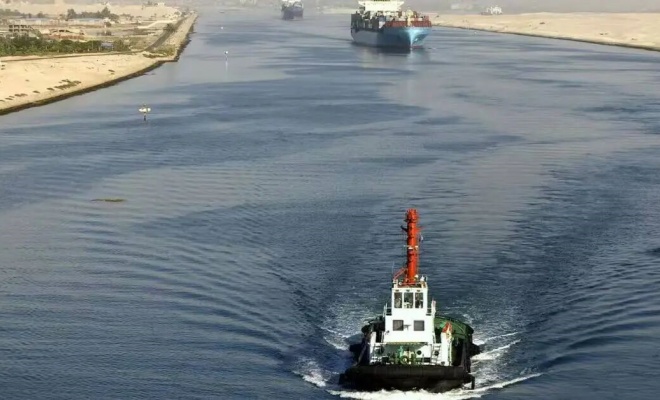
According to navigation circulars issued by the Egyptian canal operator, tankers carrying crude oil and refined products face the steepest increase, with their temporary surcharge rising from 25% of standard transit dues to 37%. The surcharge for ballast tankers rises from 15% to 27%. LPG and chemical carrier surcharges climb from 20% to 32%, while LNG carrier surcharges move from 7% to 19%. Dry bulk carrier surcharges more than double, from 10% to 22%. Containerships—the vessel type most central to any canal recovery—will face a 12% surcharge, while the existing tiered rate structure for containerships remains unchanged. Surcharges for general cargo ships, heavy-lift vessels, and Ro-Ro vessels increase from 14% to 26%, with car carriers facing a 26% surcharge for northbound transits and 12% for southbound. Only passenger vessels are exempt from this round of adjustments.
The Suez Canal Authority has characterised the increases as a temporary measure linked to "current market conditions," distinct from the base toll rates. The base rates themselves have been left unchanged since 2024 and, in principle, could be revised again depending on shifts in the shipping landscape. During the height of the Red Sea crisis, Houthi attacks on merchant vessels prompted the overwhelming majority of container lines to divert via southern Africa, causing canal revenues to slump by roughly two-thirds. The detour adds approximately 10–14 days to Asia-Europe voyages and has significantly driven up industry-wide bunker costs and vessel utilisation.
Against this backdrop, the timing of the surcharge increase is especially delicate. Maersk and Hapag-Lloyd have in recent weeks begun redeploying vessels onto Suez Canal routings, with Maersk having already completed its first westbound laden transit under its resumption plan—an early signal that shipping lines assess the security situation as having improved sufficiently to once again opt for this shorter, more economical passage.
Industry analysts caution, however, that this return remains partial and reversible. Most major liner operators continue to maintain a significant proportion of their capacity on the Cape of Good Hope route as a risk hedge, and a decision to fully normalise Suez Canal transits hinges both on sustained calm in the Bab el-Mandeb Strait and on the canal's own pricing strategy.
The Suez Canal Authority has reserved the right to modify or cancel the newly imposed surcharges depending on transit volumes and shifts in the security situation over the coming months, underscoring that the canal's financial position and global shipping routing decisions remain in a state of flux rather than having settled into a clear, post-crisis equilibrium.
Hot News