


USD 844 Million! Multi-National Investors Vie for This Port Terminal Project
Source:
2026-10-15
The Corío Port City project is attracting attention and competition from investors across multiple countries. Companies from the United States, China, India, South Korea, Turkey, the Netherlands and other nations have expressed investment interest, turning this major port proposal on South America’s west coast into a focal point within international shipping and infrastructure investment circles.
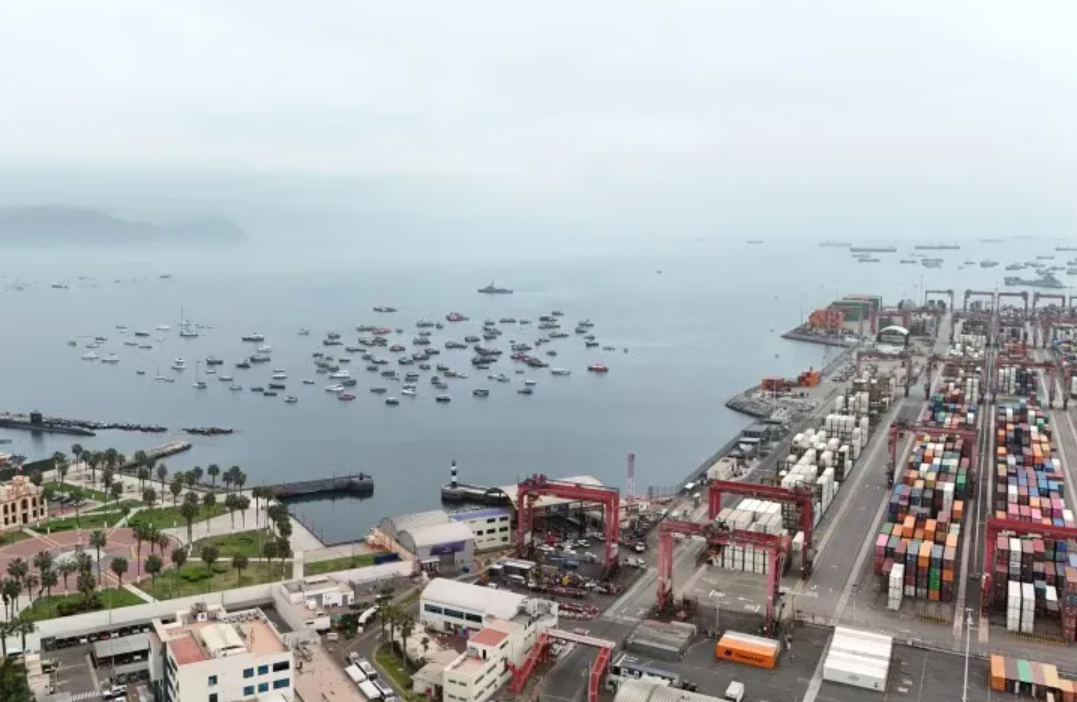
On Monday, October 12, Peru’s Private Investment Promotion Agency (ProInversión) and the Regional Government of Arequipa signed a three-year institutional cooperation agreement to jointly promote the project to domestic and foreign private investors. This marks the third investor roadshow since the project was restarted.
According to Peruvian officials, the core of the project involves constructing a multi-purpose port terminal in the Province of Islay, with an estimated total cost of approximately USD 844 million, to be implemented in three phases:
- Phase 1: An investment of around USD 651.98 million, the largest phase, covering basic terminal works;
- Phase 2: An investment of approximately USD 109.25 million, planned to add bulk cargo berths, warehousing facilities and supporting railway infrastructure;
- Phase 3: An investment of USD 83.25 million for dedicated berths and associated equipment.
Data from DataPortuaria puts the total projected port investment at USD 844.48 million.
Beyond the terminal, the master plan for the Corío Port City envisages a logistics, industrial and commercial platform spanning more than 34,000 hectares, an area equivalent to roughly 47,000 football pitches. It will feature distribution centres, industrial parks, warehouses and a planned port city. The Regional Government of Arequipa has registered about 15,947 hectares of land for the project with the public property registry.
Rohel Sánchez, Governor of Arequipa Region, stated on October 12 that enterprises from many countries have shown interest in the project. Nevertheless, no specific company names have been disclosed, formal bidding has not commenced, and no concessionaire has been appointed. The project remains in the promotion phase. Luis Del Carpio, Executive President of ProInversión, commented that the port will serve not only Peru but is also expected to have reach across South America, turning Peru into a gateway to the Pacific. He pointed out that Corío could become one of Peru’s most influential infrastructure projects in the coming years.
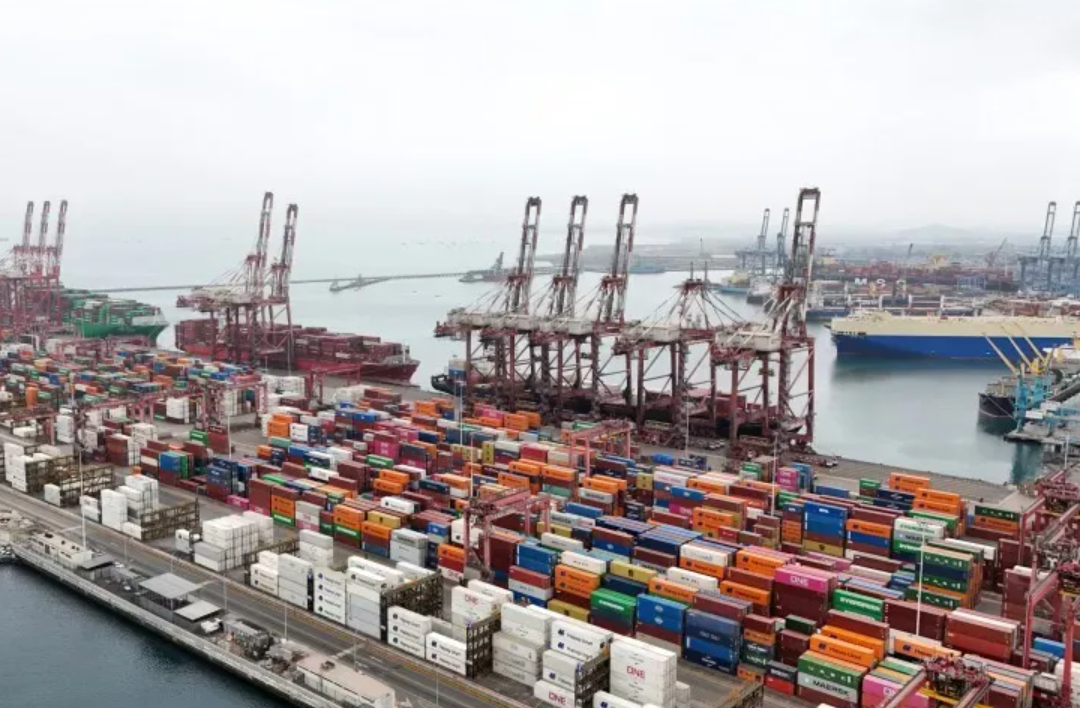
A key selling point of the project lies in its geographic and shipping route advantages. Peru’s National Port Authority (APN) estimates that cargo vessels departing from Corío can reach Asian ports in roughly 26 to 27 days. By comparison, ports on Brazil’s Atlantic coast require about 46 days, with vessels having to sail around South America or transit via the Panama Canal. This time differential is regarded as a potential competitive edge. It will benefit exporters of bulk commodities such as Brazilian soybeans and iron ore, as well as producers in southern Bolivia, Argentina and mining zones in inland Peru.
From a shipping market perspective, if the Corío project is ultimately realised, it will boost logistics capacity for direct services from South America’s west coast to Asia and potentially reshape the regional pattern of bulk commodity exports and port competition. However, whether the project can move from investment promotion to actual construction hinges on whether investor enthusiasm can be translated into firm capital commitments.
Hot News