


This port wanted to charge a waste disposal fee. The court said no!
Source:
2026-10-13
According to foreign media reports, a Kenyan court has ruled that the Mombasa County government has no authority to levy the Mombasa County Solid Waste Management Act, 2021 on vessels calling at the Port of Mombasa, and has annulled the relevant legal provisions and the customer notice used by the Kenya Ports Authority (KPA) to enforce the charge.
The fee was originally calculated on a 7-day billing cycle, with a maximum of about US$1,500. Unless the judgment is appealed or stayed, shipowners and vessel operators calling at the Port of Mombasa will not need to pay according to that standard, reducing short-term fee uncertainty.
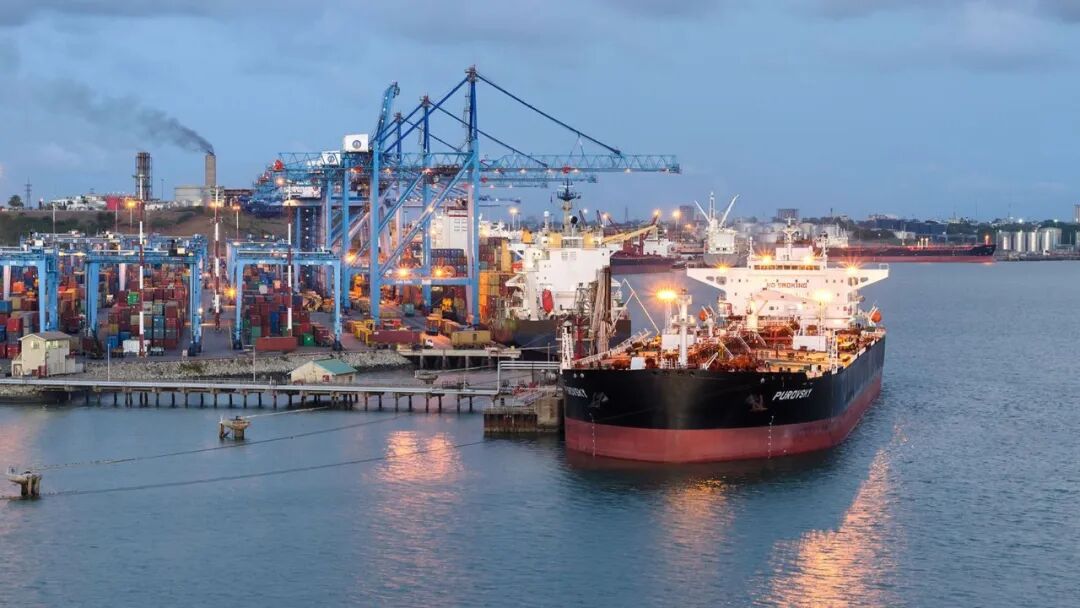
The charge originated from the Mombasa County Solid Waste Management Act, 2021, and a 2023 amendment further authorized billing based on a vessel's gross registered tonnage: US$2 per 100 gross tons (GT), with a minimum of US$200 and a maximum of US$1,500 per 7 days. Exemptions included non-commercial government vessels, KPA-owned vessels, authorized ferries operating only within the seaport, vessels under 500 GT, and vessels engaged in trade between Kenyan ports. The Mombasa County government designated KPA to collect the fee on its behalf and said it had consulted the Shippers Council of Eastern Africa and obtained support.
In 2024, Mombasa resident Ruwaida Hussein filed a lawsuit, arguing that the charge did not correspond to any service, lacked sufficient public participation, and was inconsistent with Kenya's obligations under the International Convention for the Prevention of Pollution from Ships (MARPOL). The Mombasa County Assembly argued in defense that the charge reflected the polluter-pays principle and was a lawful service fee. The High Court ultimately upheld the plaintiff's main claims.
The court held that the Mombasa County government failed to prove that it actually provided waste reception services and did not operate certified port waste reception facilities. The charge was levied solely because a vessel called at the port, regardless of whether the vessel discharged waste or used reception facilities, and therefore was in substance a port call fee rather than a waste management service fee. Under Kenya's Constitution and the Mombasa County Government Act, counties may only charge for services actually provided; the charge also lacked authorization by an Act of Parliament and could interfere with cross-county economic activities related to the national port and international shipping.
From the perspective of the shipping industry, the judgment directly reduces the potential fee burden on vessels calling at the Port of Mombasa, but does not exempt shipowners and operators from their onboard waste management obligations under MARPOL and other rules. Vessels still need to properly handle onboard waste and verify whether port reception facilities are certified and whether charges have a lawful basis.
For liner companies, bulk carrier and tanker operators, if the Mombasa County government or other local authorities in Kenya attempt in the future to impose environmental charges on international shipping, they must prove that the service genuinely exists, the facilities are compliant, the procedures are lawful, and that doing so does not harm the competitiveness of the national port and cross-county economic flows. This case also provides a reference for other ports in handling the relationship between local charges and international shipping rules.
Hot News