


Borrowing US$336 Million from China: Why Is This Port’s Expansion a Must?
Source:
2026-10-16
According to a report by Bangladesh's state-run news agency BSS, the government of Bangladesh and the Export-Import Bank of China have signed a concessional loan agreement worth US$335.78 million for the expansion and modernization of Mongla Port, about 80 kilometers from the Indian border. The loan carries an annual interest rate of 2% and a 20-year repayment period, including a five-year grace period.
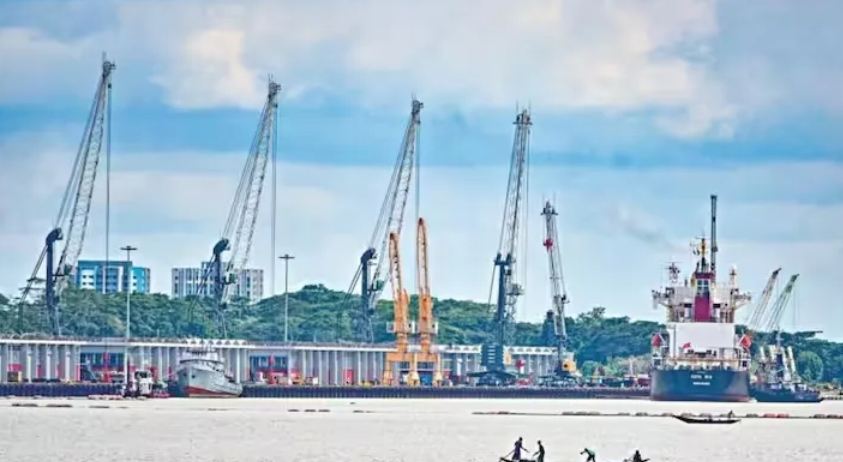
From the perspective of port and shipping infrastructure, the loan funds will be used to build two container terminals, dedicated cargo handling yards and heavy-duty logistics and warehousing facilities; install modern quayside gantry cranes, automated cargo systems and deepwater loading and unloading machinery; and carry out dredging and channel widening on the Pasur River to meet the navigation and berthing needs of higher-capacity gearless vessels and container ships.
Mongla Port is Bangladesh's second-largest port. It is located in the southwestern part of the country, at the confluence of the Pasur River and the Mongla Channel, about 200 kilometers from the Bay of Bengal. According to data from the Mongla Port Authority, the port currently has an annual handling capacity of 1,500 vessels, 15 million tonnes of cargo, 100,000 TEU of containers and 20,000 vehicles.
In terms of the overall development of Bangladesh's shipping industry, the expansion of Mongla Port is an important part of the upgrading of the country's port system. Chattogram, Bangladesh's largest port, recently signed a 15-year concession agreement with DP World for the operation and maintenance of the New Mooring Container Terminal, in an attempt to use a public-private partnership model to improve terminal operational efficiency and digitalization. However, the agreement has met strong opposition from dockworkers and employees and triggered multiple rounds of strikes, adding uncertainty to the port's reform path.
Hot News