


Nine-day strike causes US$1.621 billion loss in port cargo freight
Source:
2026-08-25
According to foreign media citing reports from Pakistani export industry representatives, a nine-day nationwide cargo transport strike has severely impacted the country's export-oriented sectors—including high-value-added textiles, knitwear, ready-made garments, leather clothing, and towels—which have expressed serious concerns over the abnormal surge in ocean freight rates and the acute shortage of container slots. The strike is estimated to have caused losses of up to 450 billion Pakistani rupees (approximately US$1.621 billion) during the period.
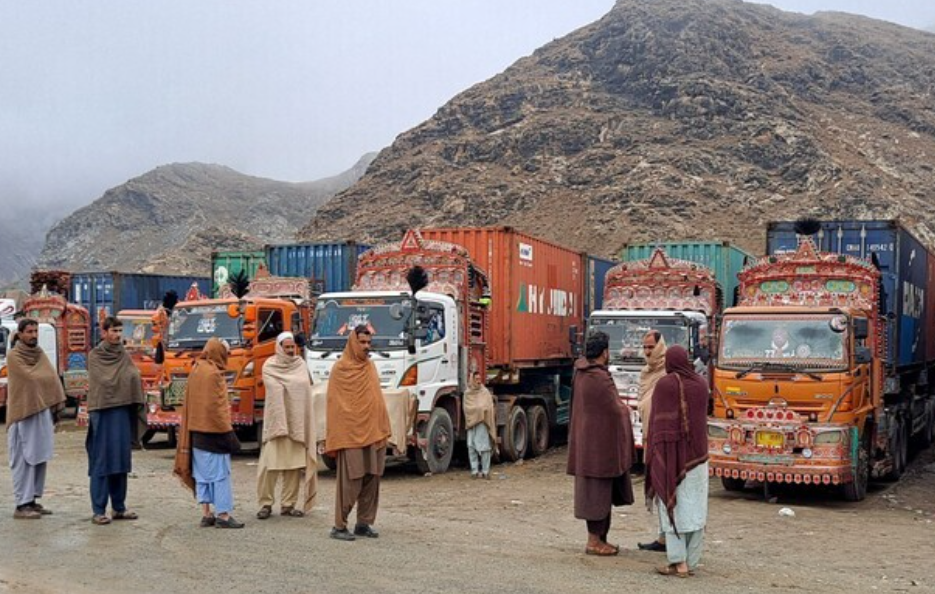
Export association chief coordinator Muhammad Javed Bilwani, Pakistan Hosiery Manufacturers & Exporters Association (PHMA) Central Chairman Muhammad Babar Khan, and Towel Manufacturers Association (TMA) leader Athar Bari stated that the prolonged disruption had brought the transportation of export cargo to a near-complete halt.
The strike began on August 8, 2026, and severely disrupted the movement of export containers from factories and warehouses to Karachi Port and Port Qasim. They emphasized that the government must not stand idly by, as exporters have already suffered heavy losses and the country has lost much-needed foreign exchange earnings.
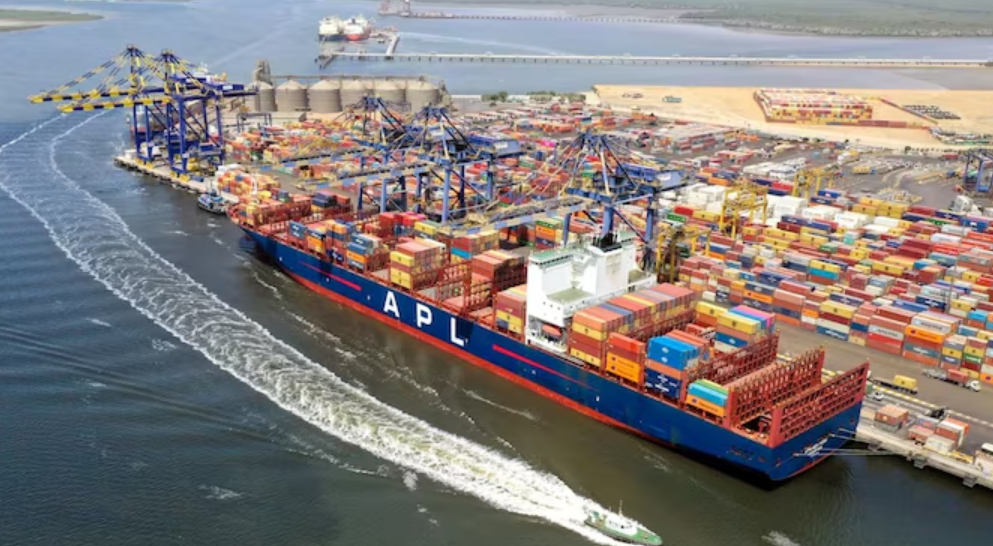
Due to the disruption in cargo transportation, containers failed to arrive at scheduled vessel sailings on time, resulting in the loss of shipping slots. Exporters are now being forced to compete for limited vessel capacity at substantially higher freight rates. During the strike, many containers remained stranded at factories and warehouses, unable to reach the ports before terminal cut-off times, leading to booking cancellations, rollovers, container roll-offs, and additional costs such as port demurrage, detention charges, and warehousing fees.
Following the disruption, shipping lines are reported to have reduced the container slots allocated to Pakistani export cargo and redirected capacity to other markets, triggering an unprecedented surge in freight rates.
According to freight rate data received by exporters, ocean freight to the U.S. West Coast has soared from approximately US$1,800 per container to US$8,500, an increase of about 372%; freight to the U.S. East Coast has risen from US$1,800 to US$8,000 per container, an increase of roughly 344%. Additionally, during August 14–15, exporters faced further increases of up to US$1,000 per container due to General Rate Increases (GRI), surcharges, and other carrier adjustment fees.
Exporters have warned that if the tight container slot situation and high freight rates persist, Pakistan's already fragile export recovery could be brought to an abrupt halt.
Hot News