


The U.S. plans to clear “shadow fleet” vessels—can that curb soaring freight rates?
Source:
2026-10-20
The U.S. wants to lower soaring tanker freight rates by “exempting and releasing” vessels, but only about 24 VLCCs could realistically return to mainstream trade, so the market may still find little relief.
Reuters reported that the Trump administration is evaluating a sanctions-relief plan for “shadow fleet” tankers. The plan would allow vessels sanctioned for links to Russia, Iran, or Venezuela to carry legitimate, non-sanctioned oil, or to be sold to mainstream shipowners.
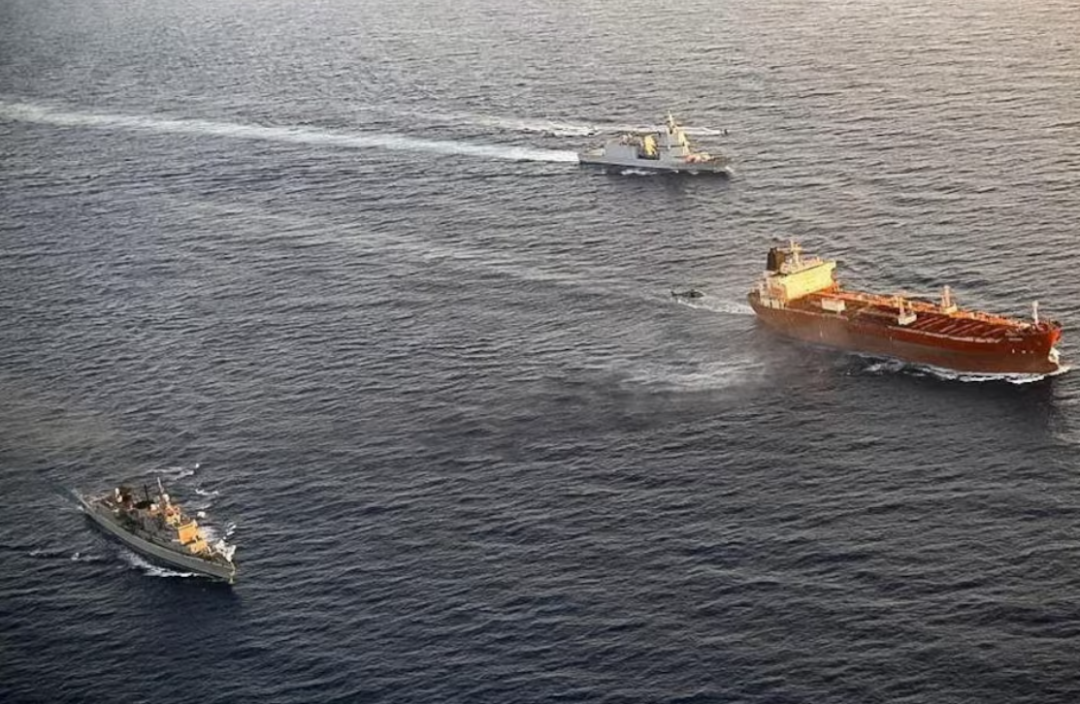
A U.S. official said case-by-case lifting of sanctions on “shadow fleet” tankers could allow ownership to be transferred to legitimate operators and enable them to carry more non-sanctioned oil, thereby lowering freight rates and increasing flows. The discussions are the latest among a series of ideas the Trump administration is considering to reduce fuel prices and inflation. In recent weeks, regional security incidents, higher related insurance costs, and more complex operating conditions in the Strait of Hormuz have reduced vessel availability and sent freight rates soaring.
Shipbroker Gibson said in its weekly report that about 878 tankers—15% of the trading fleet—are under sanctions, with that share rising to 25% for Aframax/LR2 vessels. But the U.S. can only waive its own sanctions designations, so the actionable pool is limited to 325 tankers designated solely by the Treasury Department’s Office of Foreign Assets Control (OFAC)—153 of them VLCCs, covering almost all 164 sanctioned VLCCs.
By vessel type, only 28 of 116 sanctioned Suezmaxes and 42 of 322 Aframax/LR2s are OFAC-only designations. Clean tanker capacity is limited, with about 40 MR product tankers mostly located east of Suez. Of OFAC-only tankers, 84% are located in the Middle East, the Indian Ocean, or the Far East; only 16 are in European waters. Therefore, any direct impact will be felt east of Suez; Atlantic charterers can only benefit indirectly, as sanctioned capacity takes market share in the East and pushes more mainstream vessels to ballast west.
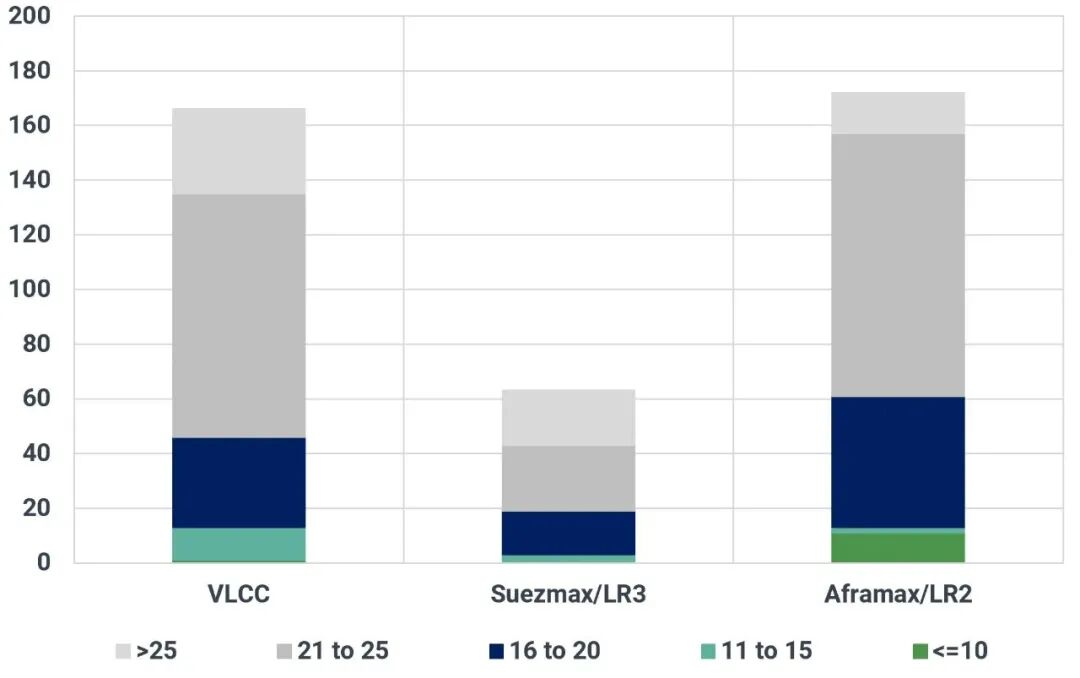
Gibson also said Iran directly owns 64 sanctioned vessels, including 38 VLCCs, and more may be held by Iranian interests in other jurisdictions. If there are links to the Islamic Revolutionary Guard Corps, OFAC may be reluctant to grant exemptions. Seventy percent of OFAC-listed tankers are 20 years old or older, including 120 of 163 VLCCs. The current shipping environment has somewhat weakened age constraints, but with no International Group P&I insurance and no IACS class, few charterers are willing to charter these vessels. Their most likely use is Hormuz shuttle runs, where supply has recently been constrained.
Gibson believes exemptions could especially add capacity for Hormuz shuttle runs and may have some freight-rate impact on the broader market. Most of the additional capacity these vessels could bring would come from older tankers, mainly VLCCs located east of Suez. Because any delisting will go through OFAC’s regular comprehensive review, it may take time for large numbers of vessels to be released for mainstream trade.
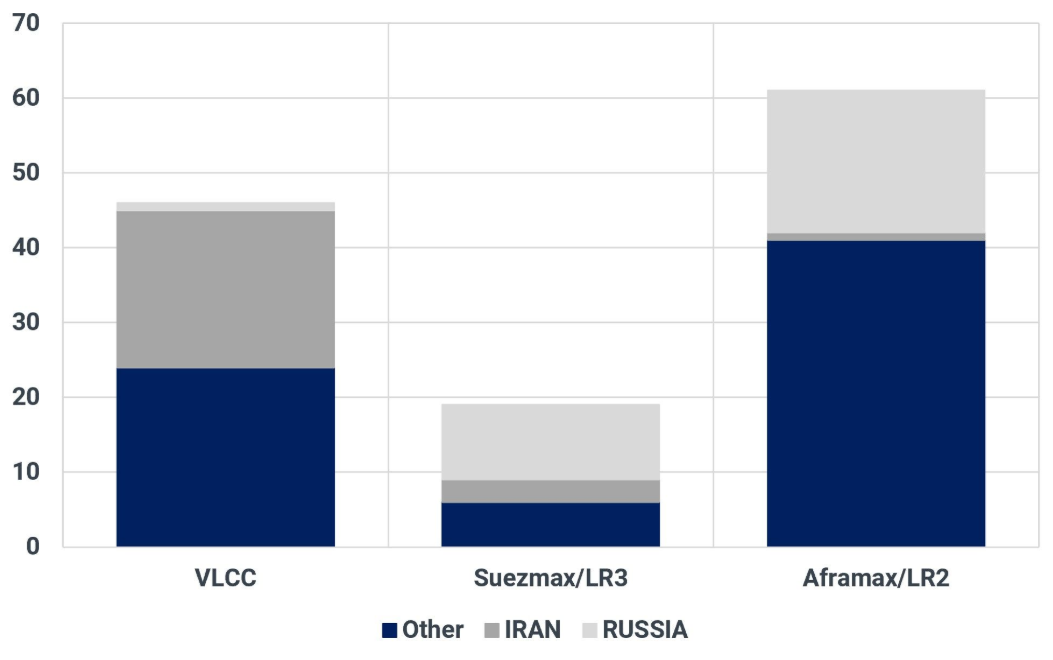
However, traders and analysts generally believe the plan’s actual impact on increasing tanker availability may be limited. Vessel tracker Kpler said the measure would have almost no impact on the current tanker crisis. Ageing, uncertain seaworthiness, and unresolved insurance, crewing, and management arrangements will limit the commercial appeal of these vessels. Kpler tracks about 160 U.S.-sanctioned supertankers, about 22% of the commercial fleet, of which about 46, or 27%, are more than 20 years old. By Kpler’s count, about 6 of 60 designated Suezmaxes and 41 of 170 designated Aframaxes could return to the global fleet, but their capacity is low and unlikely to significantly ease high rates.
Kpler further noted that nearly half of the OFAC-sanctioned VLCC fleet with acceptable age is owned by Iran’s National Iranian Tanker Company. Chartering these vessels would constitute trading with a sanctioned entity; unless an exemption for trading with the company is introduced or the vessels are taken over, the market will find them hard to access. Therefore, the pool of designated VLCCs that could return to global trade falls further to about 24. Even if some Iran-linked vessels could be used in mainstream employment, their contribution may be negligible relative to the scale of the current disruption.
In market terms, FFA prices have fallen on the related reports. Gibson said the TD3C VLCC FFA market has corrected downward over the past few days, partly because of this news. Reuters reported that the rate for an Aframax able to carry up to 750,000 barrels of oil from the U.S. Gulf Coast to Europe fell by 30 points. The decline in freight also narrowed WTI’s discount to Brent to about $10.42/bbl, after high freight rates had widened it to $14.17 this week, the widest in more than five months.
Hot News