


Captain Files Official Complaint Against Port Officials Over Alleged $5,000 Bribe for Clearance
Source:
2026-07-21
The Merchant Shipping Secretariat of Sri Lanka has launched an internal investigation into an alleged bribery solicitation incident.
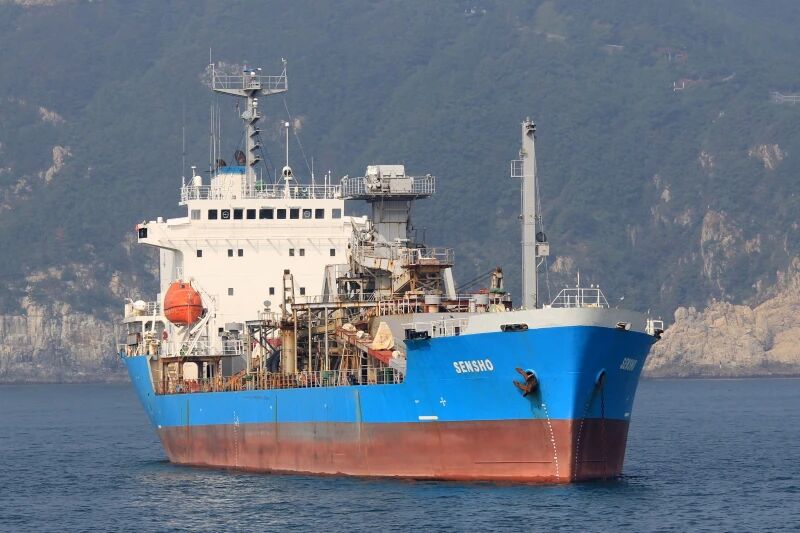
According to sources, the vessel involved is the Indonesian-flagged cement carrier Sensho. The vessel arrived at the Port of Colombo on July 17 and departed the following day for Jeddah, Saudi Arabia, after undergoing a Port State Control inspection described as "rigorous and meticulous." After leaving Sri Lankan waters, the vessel's captain submitted a formal complaint through agent channels, alleging that a sum of US$5,000 in cash was demanded during the inspection. The payment, it is claimed, was required to be made as an "official payment," without which the inspection could not be satisfactorily concluded.
The complaint states that no official receipt or documentation was provided for the payment, and the captain suspects that the funds ultimately went to the individual officers conducting the inspection. As the vessel had already completed cargo operations and was scheduled to sail, the captain elected to make the payment first and report the incident after departure.
The captain has submitted written complaints to both the Merchant Shipping Secretariat and the Commission to Investigate Allegations of Bribery or Corruption in Sri Lanka, both of which have now stepped in to verify the allegations.
The MSS has confirmed receipt of the complaint and has commenced retrieving the inspection records, the list of personnel who boarded the vessel, and communication logs from the day in question. It is working to verify whether any improper solicitation of bribes occurred and has launched a parallel investigation into the flow of the funds involved and the public officials who may be implicated. To date, neither agency has released any preliminary findings, and the investigation remains at the evidence-gathering stage.
Sources stress that the investigation is focused on "whether MSS personnel engaged in undeclared bribe-taking," and on whether this complaint represents an isolated incident or points to systemic vulnerabilities within the port inspection process. Because the captain did not report the matter on the spot prior to departure, investigators will need to rely on indirect evidence—such as the vessel's electronic records, agent communication recordings, and port surveillance footage—to reconstruct the events on board.
The Sri Lankan government has pursued a high-profile anti-corruption reform agenda in recent years, and enforcement transparency at the Port of Colombo, a key hub in South Asia, is a matter of keen interest to the industry. Should the allegations be substantiated, they would not only undermine the authorities' anti-corruption credibility but could also raise concerns among international shipowners regarding the integrity of inspections at Colombo, with potential implications for the port's competitiveness.
It is understood that the MSS has requested the vessel to provide supplementary testimony from the captain and the vessel's onboard financial records upon arrival in Jeddah, and will also summon for interview all personnel who participated in the inspection that day. The CIABOC may also initiate independent evidence collection, including reviewing port surveillance footage and communication records. Given that the investigation is still in its early stages, Sri Lanka's maritime authorities have yet to make any statement on the attribution of responsibility or potential disciplinary measures.
Hot News