


Sudden Mass Strike at Port Hedland Halts Iron Ore Seaborne Export Channel
Source:
2026-07-17
A mass strike erupted at Port Hedland, one of the world's largest iron ore export hubs, in Western Australia at 2:00 p.m. on the 16th, with approximately 200 to 250 BHP port workers walking off the job for eight hours.
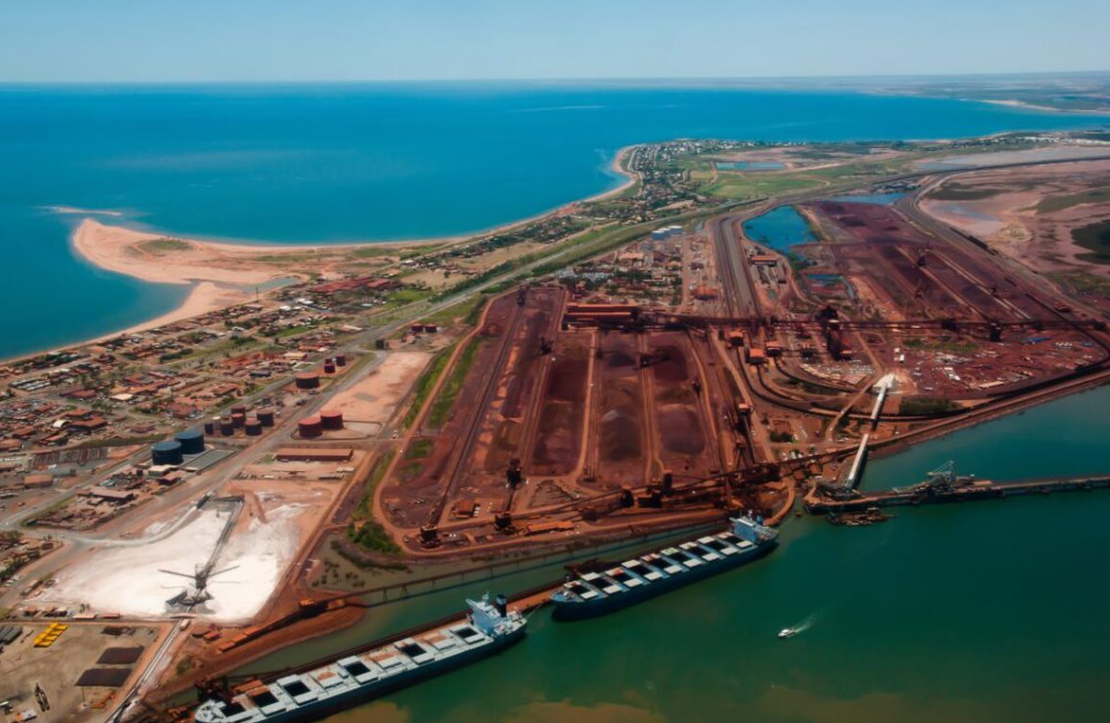
This marks the first strike to hit the mining giant's Pilbara iron ore hub since 2000 and represents the largest industrial action in Western Australia's mining sector in over three decades. The strike directly threatens daily iron ore shipments valued at between US$56 million and US$84.1 million, with the global seaborne iron ore supply chain facing near-term volatility risk. The union has made clear that "vessels may be unable to load or depart" during the strike, emphasising that iron ore cannot be exported without workers to load the ships.
Wage Package Becomes Flashpoint After Enterprise Bargaining Talks Collapse
The strike stems from a deadlock in enterprise agreement negotiations that have dragged on for six to seven months. Since October 2025, the two sides have been in discussions over a new four-year agreement, with core differences centred on pay, working conditions, and rostering arrangements. BHP has proposed a 16% pay rise over four years, a level consistent with recently approved increases at the company's South Flank and C mine sites, but the union has dismissed the offer as "not good enough," arguing that it fails to reflect workers' specialist skills deployed under harsh operating conditions or their contribution to the company's A$15 billion in annual profits.
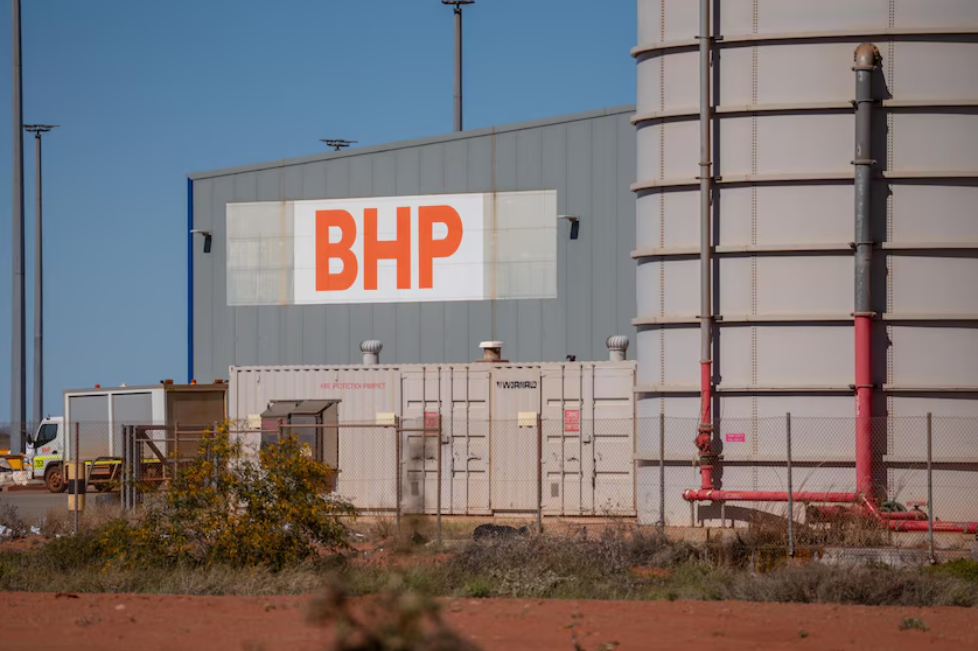
The union accuses BHP of failing to negotiate in good faith; BHP, for its part, has countered that "claims of no progress being made in negotiations are inaccurate" and has already applied to the Fair Work Commission for arbitration under section 240 of Australia's Fair Work Act. A negotiating session convened by the Commission on the 14th again failed to produce an agreement, with the union criticising management's approach as a "delaying tactic" and insisting that only a "fair, transparent, and enforceable" agreement can resolve the dispute. The next round of talks is scheduled before the Fair Work Commission on July 22.
Supply Chain Under Pressure, Business Leaders Warn of Economic Fallout
Analysts note that even a brief disruption at Port Hedland could trigger short-term spot price volatility, while an extended or escalating strike would deliver a material shock to the global dry bulk shipping market.
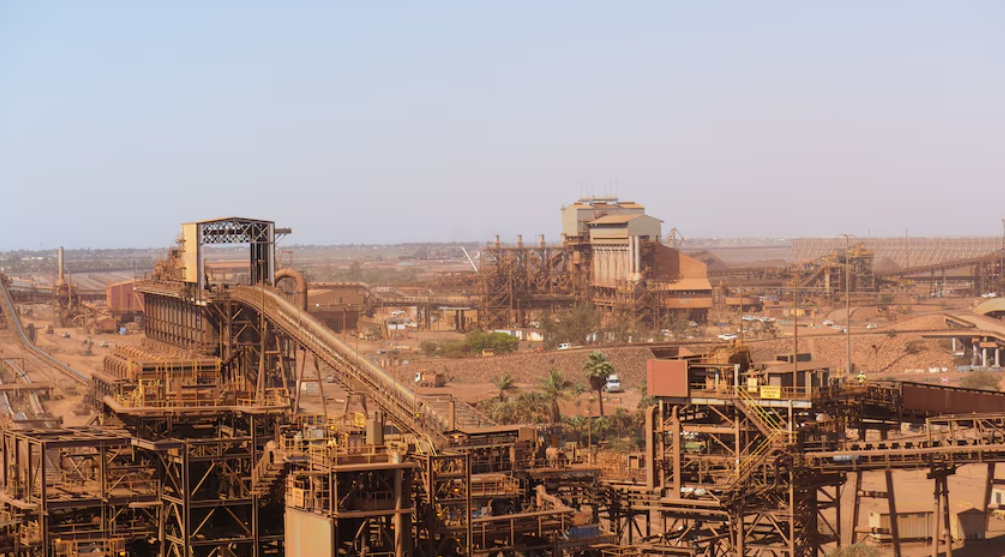
The Chamber of Minerals and Energy of Western Australia has criticised the union for "holding the national economy hostage" and faulted both the federal Albanese government and the state Cook government for not intervening to halt the strike. WA Premier Roger Cook stated that the industrial action is a matter for the industrial relations system, adding that he believes it will not spread to other Pilbara mine sites and expects a deal will ultimately be reached, though he declined to say which side he backs or whether he considers the workers underpaid.
Mining consultant Philip Kirchlechner warned that the action could erode Australia's attractiveness to foreign investment, as the "spectre of strikes returning" will ripple through the broader economy. Daniel Kiely, Chief Economist at the Chamber of Commerce and Industry of Western Australia, noted that a decline in iron ore exports will directly hit state and federal royalty revenues, and that sending the wrong signal to international investors "is not a wise move."
The union has fulfilled the statutory requirement of giving five days' notice, and the strike is proceeding lawfully. Should no breakthrough emerge at the negotiations next Tuesday, the risk of further, larger-scale, or sustained industrial action remains, and the stability of this global iron ore shipping hub's supply chain will continue to face a severe test.
Hot News